
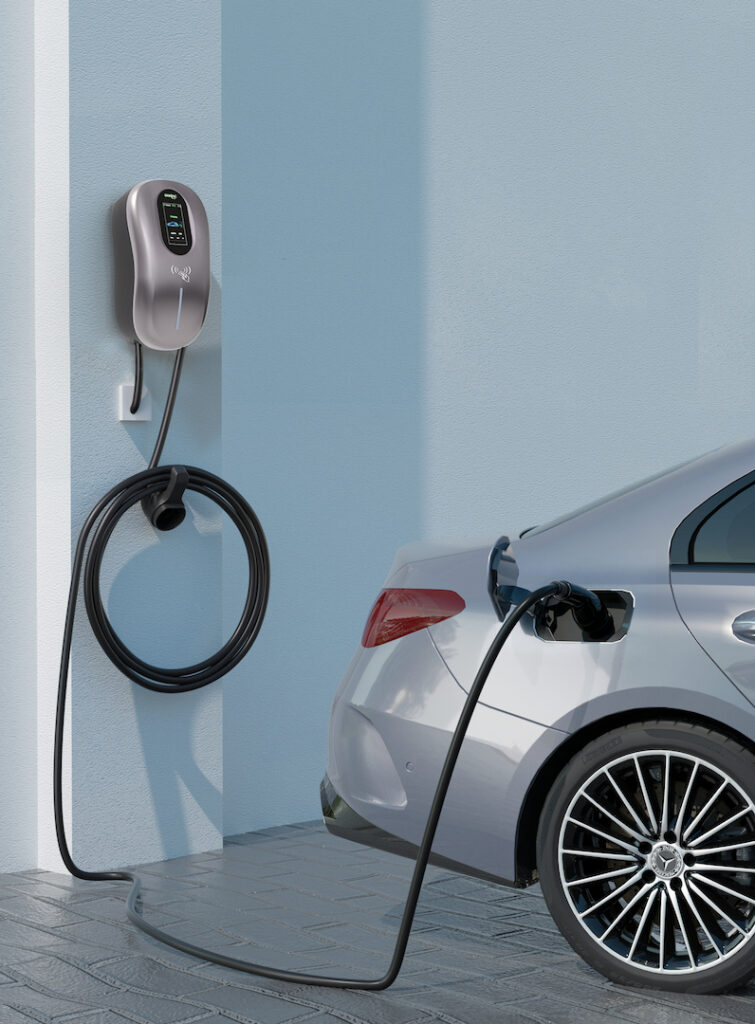
As fuel prices continue to rise globally, more drivers are turning to electric vehicles (EVs) as a cost-effective alternative. One of the most common questions new EV users ask is simple:
How long does it actually take to charge an electric car?
The answer depends on several factors—but once you understand the basics, EV charging becomes predictable, convenient, and even easier than visiting a gas station.
This guide breaks it down in a practical, easy-to-understand way.
What Affects EV Charging Time?
Before comparing charging levels, it’s important to understand the key factors that influence charging speed:
- Battery Capacity (kWh): Larger batteries take longer to charge
- Charger Power (kW): Higher power delivers faster charging
- State of Charge (SOC): Charging slows down after ~80%
- Vehicle Limitations: Each EV has a maximum charging acceptance rate
Simple estimate:
Charging Time ≈ Battery Capacity ÷ Charger Power
Charging time is mainly determined by three key factors:
How Long Does It Take to Charge an Electric Car at Different Charging Levels?
For anyone new to electric vehicles (EVs), one of the first questions is:
How long does it actually take to charge an electric car?
The answer depends largely on the charging level you use. From a standard home socket to high-power DC fast chargers, charging time can range from over 20 hours to less than 30 minutes.
In this guide, we’ll break down each charging level and help you understand what to expect in real-world use.
Level 1 Charging: Slow but Accessible
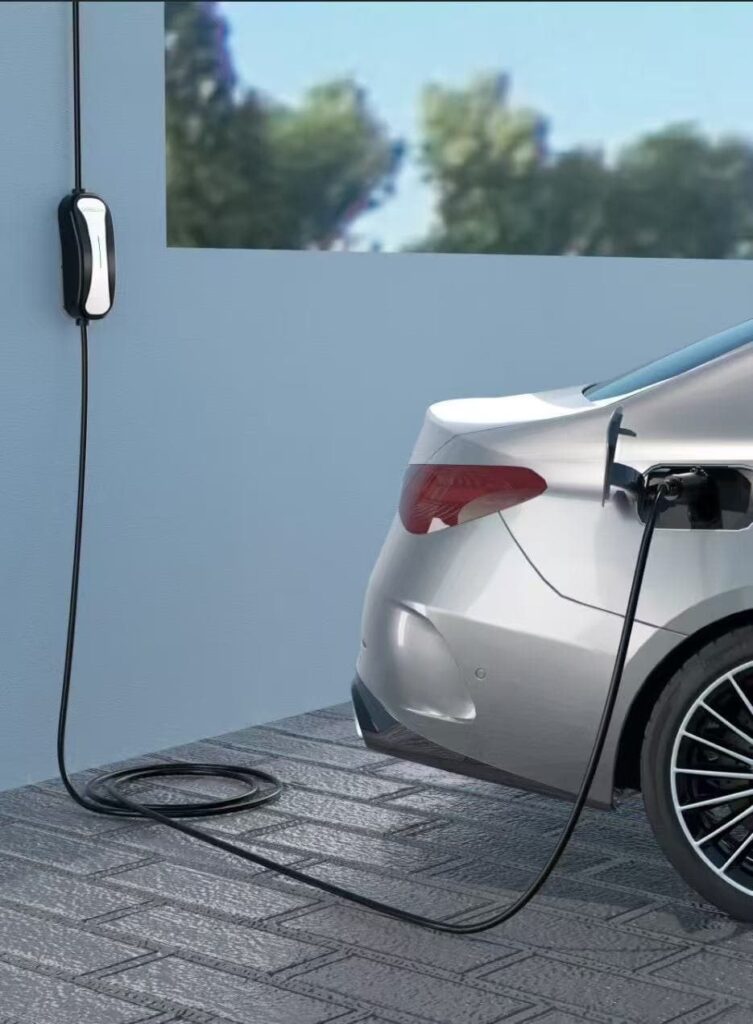
Level 1 charging is the slowest option. While it doesn’t require any additional installation, it’s usually not practical for daily use—especially for vehicles with medium or large battery packs.
Overview
- Power Output:2–3 kW
- Charging Source:Standard household outlet
- Typical Time:10–20+ hours
Best Use Case
- Emergency charging
- Very low daily mileage
Level 2 Charging: The Everyday Solution
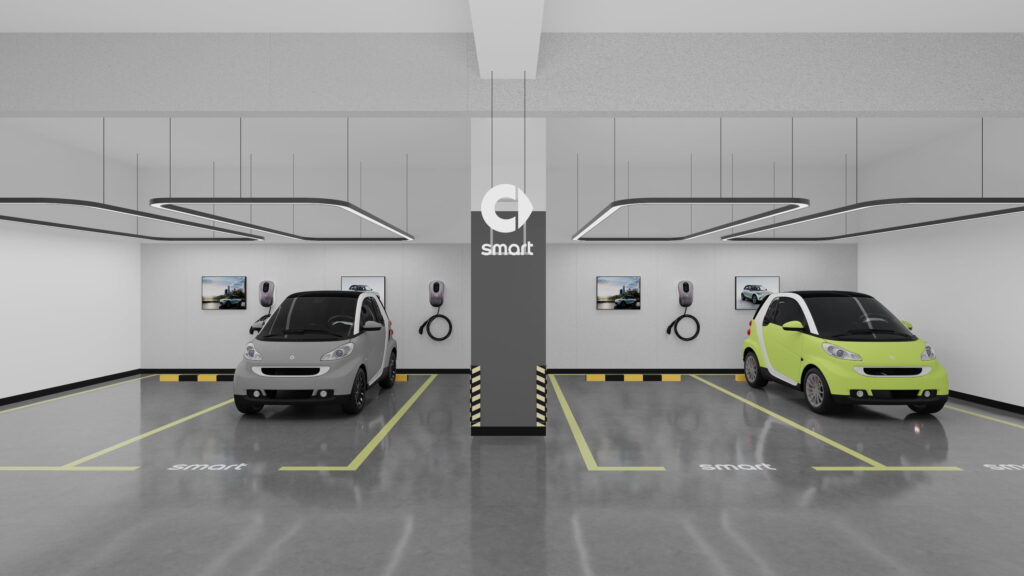
Level 2 charging is the most common solution for EV owners. It allows you to fully charge your car overnight, making it ideal for daily routines. GREENC offers a range of level 2 Ev chargers designed for both business and household use.
Overview
- Power Output:7 kW – 22 kW
- Charging Source:Dedicated AC charger (wallbox)
- Typical Time:4–8 hours
Best Use Case
- Home charging
- Workplace charging
A reliable AC charger also ensures:
- Stable power delivery
- Improved safety
- Better long-term performance
DC Fast Charging: Speed When You Need It
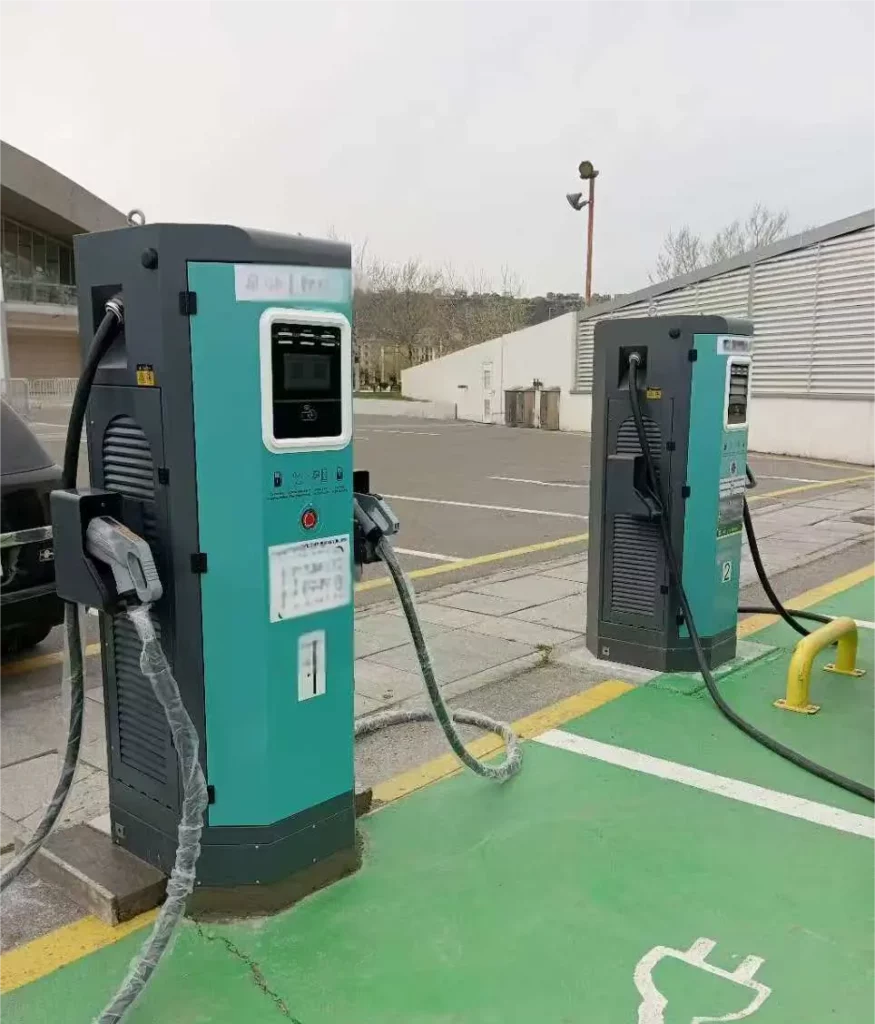
DC fast charging significantly reduces charging time—but it’s typically used for convenience rather than daily charging. Buyers can find GREENC DC fast charger in the catalog.
Overview
- Power Output:30 kW – 350 kW
- Charging Type:Direct Current (DC)
- Typical Time:20–60 minutes (to 80%)
Best Use Case
- Long-distance travel
- Quick top-ups on the road
Most EVs charge rapidly up to 80%, then slow down significantly. This is known as the “charging curve.”
Real-World Charging Comparison
Let’s look at a practical example using a 60 kWh battery:
| Charging Level | Power | Estimated Time |
|---|---|---|
|
Level 1 |
2kW |
25-30hours |
|
Level 2 |
7kW |
8-9hours |
|
DC Fast |
60kW |
~1hour(to 80%) |
Why Charging Speed Slows After 80%
Many new EV users notice that charging slows down significantly after 80%.
This is normal and happens because:
- The battery needs protection from overcharging
- Heat management becomes critical
- Slower charging helps extend battery lifespan
Tips for New EV Users
- Don’t always charge to 100%, for daily driving, keep your battery between 20% and 80%.
Install a home AC charger
Use DC fast charging only when Needed, make sure your cable matches your vehicle and market standard
- Charge overnight,
take advantage of lower electricity costs
- Choose the right charging Cable, Make sure your cable matches your vehicle and market standard
Common Mistakes New EV Owners Make
Avoid these common pitfalls:
- Expecting EV charging to be as fast as refueling
- Relying too much on DC fast charging
- Ignoring installation quality of chargers
- Using low-quality or uncertified charging cables
A proper charging setup makes a big difference in daily experience.
How to Choose the Right Charger
Choosing the right charging solution depends on your needs:
For Home Users
- AC charger (7 kW / 11 kW/22kW) is ideal
For Commercial Use
- Combination of AC and DC chargers
For Fleet or Public Charging
- DC fast chargers improve efficiency and turnover
For businesses, selecting reliable equipment with certified components is critical to ensure long-term performance and safety.
Conclusion
Charging an electric car is not complicated—it’s just different.
Once you understand how charging works:
- You can plan your time efficiently
- Reduce costs
- Extend battery life
For most EV users, daily charging becomes as simple as plugging in overnight.
And with the right charger and cable, the experience is not only convenient—but also reliable and safe.


