
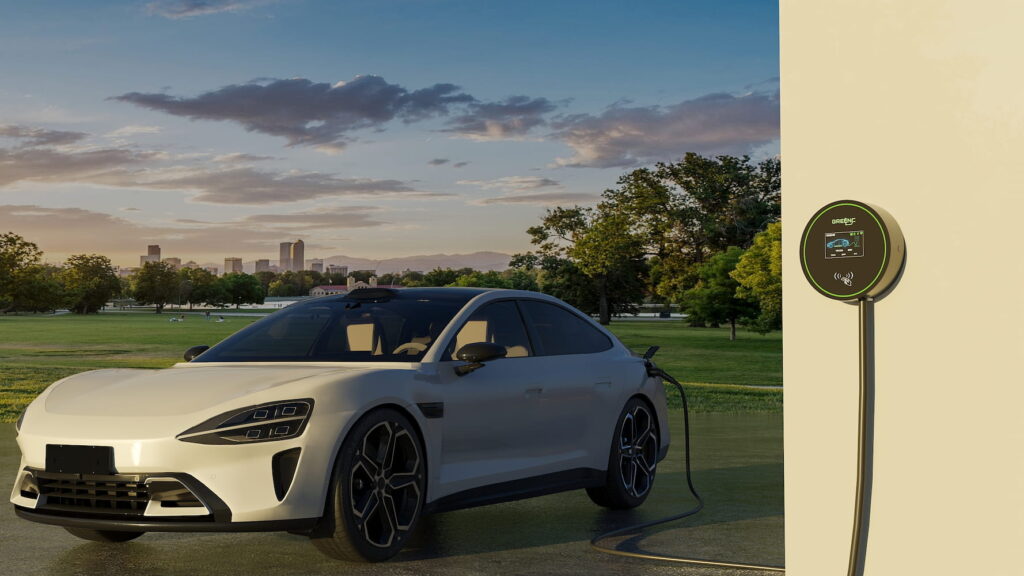
Electric vehicle (EV) chargers do much more than simply deliver electricity to a vehicle. Modern EV chargers continuously monitor the power supply, charging conditions, and vehicle communication to ensure safe and reliable charging.
When users experience interrupted charging sessions, they sometimes assume that the charger has malfunctioned. In many cases, however, the charger is actually doing exactly what it was designed to do: protecting itself, the vehicle, and the electrical installation.
A recent example from one of our customers in North America highlights why these protection features are so important.
A Real-World Example: Charging Stops Due to Low Voltage
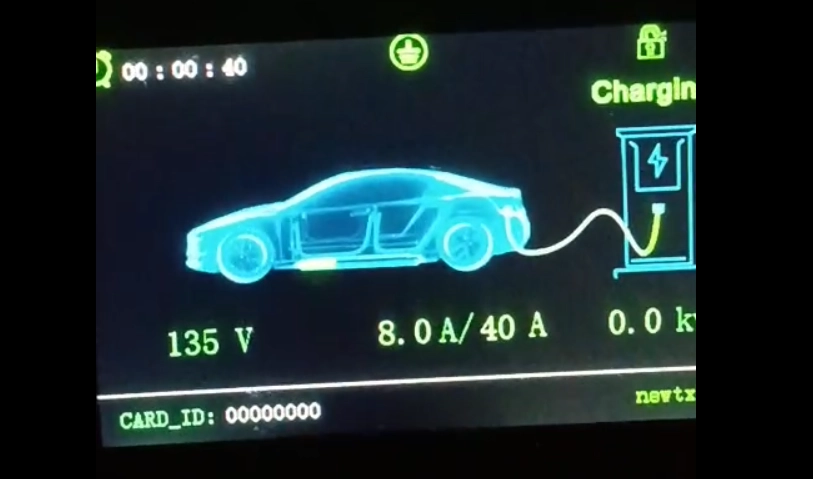
The customer was using a 40A EV charger rated at 9.6kW. Under normal operating conditions, the charger requires a 220-240V power supply to deliver its full charging power.
However, the installation site had an unstable electrical supply. During charging, the voltage occasionally dropped to around 130V. As a result, the charger stopped charging automatically.
After reviewing the charging data, we found that the charger’s low-voltage protection had been triggered.
At first glance, this may seem inconvenient. But in reality, the charger was preventing potential damage and ensuring safe operation.
What Is Low-Voltage Protection?
Low-voltage protection is a safety feature that continuously monitors the incoming power supply voltage.
When the voltage falls below the safe operating range, the charger automatically reduces output or stops charging altogether.
This protection is necessary because EV chargers are designed to operate within a specified voltage range. When voltage drops significantly:
- Charging efficiency decreases.
- Electronic components may overheat.
- Internal power modules can become unstable.
- Charging communication may fail.
- Vehicle charging systems may be affected.
By stopping the charging process, the charger prevents equipment damage and avoids unsafe operating conditions
Why Does Low Voltage Occur?
Low-voltage situations can happen for several reasons:
1. Insufficient Electrical Infrastructure
Some buildings were not originally designed to support high-power EV charging loads. When a charger draws significant current, the voltage may drop below acceptable levels.
2. Long Cable Runs
Long electrical cable distances can cause voltage drop, especially if cable sizes are inadequate.
3. Overloaded Circuits
When multiple appliances or chargers operate simultaneously, the electrical system may struggle to maintain proper voltage.
4. Utility Grid Fluctuations
In some regions, utility power quality can vary during peak demand periods, resulting in temporary voltage reductions.
Other Important EV Charger Protection Functions
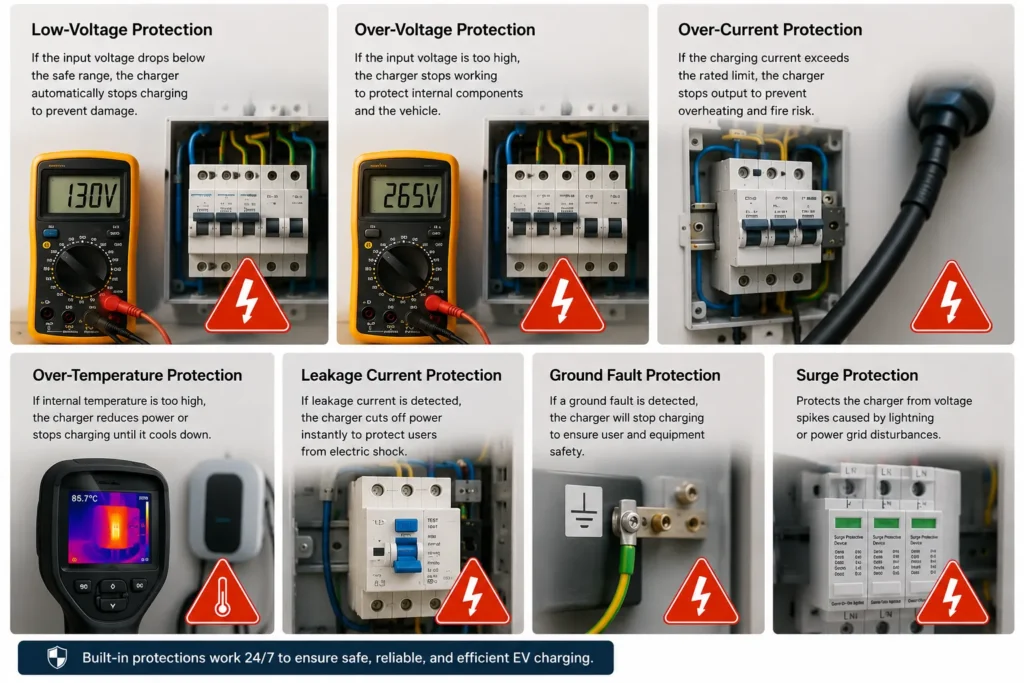
Low-voltage protection is only one of many safety mechanisms built into modern EV chargers. The Greenc EV charger also have other protection functions as follows:
Over-Voltage Protection
Just as voltage can fall too low, it can also rise above safe levels.
Over-voltage protection disconnects charging when incoming voltage exceeds acceptable limits. This protects sensitive electronic components inside both the charger and the vehicle.
Over-Current Protection
Over-current protection monitors charging current continuously.
If the current exceeds the rated limit due to a fault, wiring issue, or abnormal condition, the charger automatically stops charging to prevent overheating and fire risks.
Over-Temperature Protection
Charging generates heat, especially during high-power operation.
Temperature sensors inside the charger monitor critical components. If temperatures exceed safe thresholds, charging power is reduced or stopped until temperatures return to normal.
Leakage Current Protection
Electric vehicles and charging systems must be protected from electrical leakage.
If abnormal leakage current is detected, the charger immediately disconnects power to prevent electric shock hazards.
This is one of the most important protections for user safety.
Ground Fault Protection
A proper grounding connection is essential for safe EV charging.
If grounding issues are detected, many chargers will refuse to start charging or will stop an ongoing charging session.
Short Circuit Protection
Short circuits can create extremely high fault currents in a fraction of a second.
The charger’s protection system reacts immediately to disconnect power and prevent severe damage to equipment.
Surge Protection
Lightning strikes and power grid disturbances can generate voltage surges.
Surge protection devices help shield charger electronics from these sudden voltage spikes, extending equipment lifespan.
Why Protection Features Should Never Be Disabled
Occasionally, users ask whether protection settings can be bypassed to keep charging running.
The answer is simple: protection functions exist for safety reasons.
When a charger stops charging due to low voltage, over-temperature conditions, or other faults, it is identifying a problem that should be corrected rather than ignored.
Disabling safety protections could lead to:
- Damage to the charger.
- Damage to the vehicle.
- Reduced equipment lifespan.
- Increased fire risk.
- Potential safety hazards for users.
How to Prevent Charging Interruptions
To ensure reliable charging performance:
- Verify that the power supply meets charger specifications.
- Use correctly sized electrical cables.
- Ensure proper grounding.
- Avoid overloading circuits.
- Have electrical installations inspected by qualified electricians.
- Monitor voltage quality at the installation site.
For high-power EV chargers, stable input voltage is just as important as charger quality.
Conclusion
Modern EV chargers are equipped with multiple protection mechanisms designed to ensure safe, reliable, and efficient charging.
The low-voltage protection triggered in our Mexico customer case is a perfect example. Rather than indicating a charger problem, it demonstrated that the charger was actively protecting both the equipment and the vehicle from unstable power conditions.
As EV adoption continues to grow worldwide, understanding these protection functions helps users appreciate that a smart EV charger is not only a power delivery device—it is also a sophisticated safety system designed to protect people, vehicles, and electrical infrastructure.


