
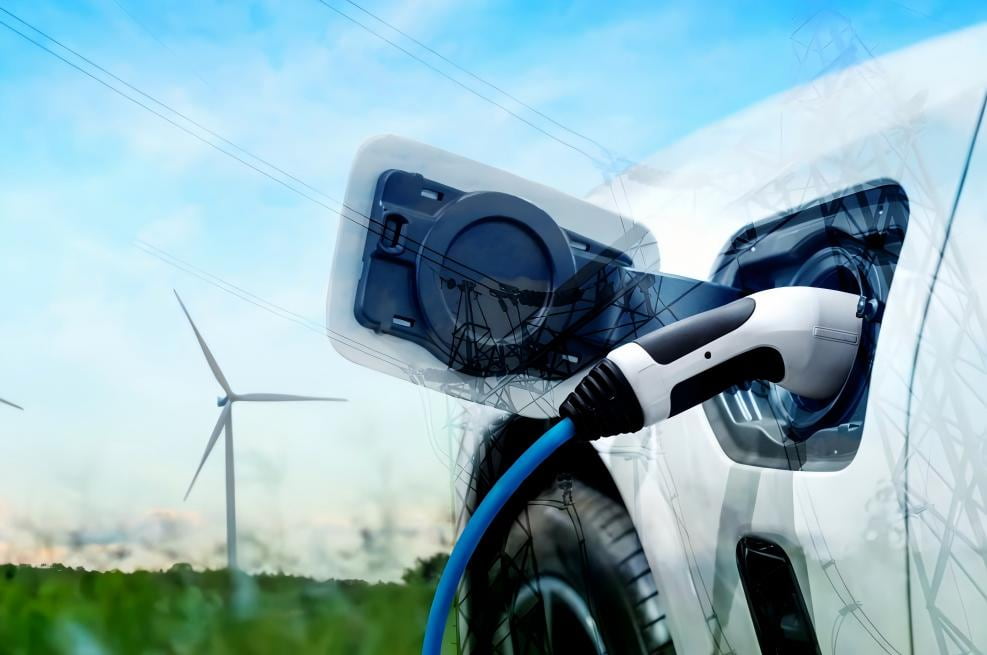
Electric vehicles (EVs) are no longer a future concept—they are a practical, reliable, and cost-effective choice for drivers and businesses today. From improved driving range to easier charging and lower operating costs, EV adoption is accelerating worldwide.
Whether you are an individual driver, a business owner, or a fleet operator, electric driving now offers clear advantages that gasoline vehicles can no longer match. Below, we explore why switching to electric makes sense today, using real-world benefits and practical considerations.
Range Confidence Has Replaced Range Anxiety
A few years ago, “range anxiety” was one of the biggest concerns for EV drivers. Today, that concern has largely disappeared.
Modern electric vehicles commonly offer 300–500 km (180–310 miles) of real-world driving range on a single charge. This easily covers daily commuting, city driving, and even long-distance travel. At the same time, public charging infrastructure has expanded rapidly, especially along highways, in shopping centers, parking garages, and urban areas.
Fast DC chargers allow drivers to recharge up to 80% in as little as 20–40 minutes, making road trips practical and predictable. With navigation systems now integrated with charging station data, EV drivers can plan routes with confidence.
In short, EV range today meets real driving needs—without compromise.
Once Drivers Go Electric, They Don’t Go Back

Studies and customer feedback consistently show that most EV owners do not want to return to gasoline vehicles. Once drivers experience electric driving, the benefits are hard to give up.
EVs offer:
Smooth and quiet acceleration
No engine vibration
Instant torque for easier overtaking
Less driving fatigue
Beyond driving comfort, EV ownership simplifies daily life. No oil changes, fewer moving parts, and reduced maintenance costs all contribute to a better ownership experience.
For many drivers, switching to electric feels like upgrading—not just changing fuel type.
Charging an EV Is Easier Than You Think
One common misconception is that EV charging is complicated. In reality, charging is simpler than refueling a gas car once drivers understand the options.
There are three main charging scenarios:
Home charging (AC) – ideal for daily use
Workplace charging – convenient for employees
Public charging (AC & DC) – for travel and top-ups
Most daily charging happens at home or work, not at public stations. Drivers simply plug in when parking and unplug when leaving—no waiting in line, no detours.
As EV chargers become more standardized and user-friendly, charging continues to get easier every year.
Overnight Charging Means Starting Every Day Full
One of the biggest advantages of EV ownership is overnight charging.
By installing an AC wallbox at home, drivers can charge their vehicles while they sleep. This means:
Starting every morning with a full battery
No need to stop at gas stations
Lower electricity costs during off-peak hours
For most drivers, overnight charging fully covers daily driving needs. Even a moderate-power AC charger can replenish the battery comfortably within 6–8 hours.
This “plug in and forget” experience is one of the reasons EV owners report higher satisfaction than gas car owners.
Workplace Charging Brings Extra Convenience for Employees
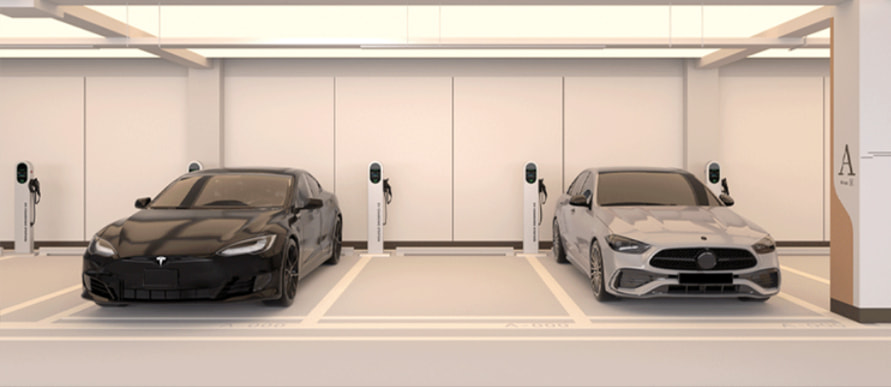
Workplace EV charging is becoming a valuable benefit for employees and businesses alike.
For employees:
Convenient charging during working hours
Reduced home electricity usage
Less stress about daily range
For employers:
Supports sustainability goals
Enhances employee satisfaction
Encourages green commuting
Installing AC or shared DC chargers in office parking areas is a practical step toward a cleaner workplace. For companies with fleets, workplace charging also improves vehicle availability and operational efficiency.
As EV adoption grows, workplace charging is shifting from a “nice to have” to a competitive advantage.
Cleaner, Quieter Cities with Electric Vehicles

Electric vehicles play a key role in improving urban environments.
Unlike gasoline cars, EVs produce:
Zero tailpipe emissions
Significantly lower noise levels
Reduced air pollution in dense areas
This has a direct impact on public health, especially in cities where traffic congestion contributes to poor air quality. EVs are also quieter at low speeds, helping reduce noise pollution in residential areas.
For municipalities, businesses, and property developers, supporting EV infrastructure is an investment in cleaner, more livable cities.
Lower Operating Costs Compared to Gas Vehicles
From a financial perspective, electric driving makes strong sense.
Key cost advantages include:
Electricity is cheaper than gasoline or diesel
Fewer maintenance items (no oil, belts, exhaust systems)
Reduced brake wear due to regenerative braking
Over time, these savings can be substantial. For fleet operators and high-mileage drivers, EVs often deliver lower total cost of ownership (TCO) than traditional vehicles.
As battery technology improves and charging costs decrease, the economic advantage of EVs continues to grow.
EV Technology Is More Mature Than Ever
Today’s EVs are built on mature, well-tested technology.
Battery systems now offer:
Longer lifespan
Improved safety
Better thermal management
Charging equipment has also evolved, with smarter chargers offering:
Load balancing
Remote monitoring
RFID or app-based access
Integration with energy management systems
These advancements make EVs not only practical but also reliable for long-term use—whether for personal driving or commercial applications.
Government Policies and Incentives Accelerate EV Adoption
Around the world, governments are actively supporting electric mobility through:
Purchase subsidies
Tax reductions
Free or discounted parking
Charging infrastructure incentives
At the same time, many cities are introducing low-emission zones and stricter regulations on internal combustion vehicles. These policies make EVs a safer long-term investment.
For businesses, adopting EVs early helps stay ahead of regulatory changes and demonstrates environmental responsibility.
EVs Support a More Sustainable Energy Future
Electric vehicles are not just about transportation—they are part of a larger energy ecosystem.
EVs work seamlessly with:
Solar and wind energy
Smart grids
Energy storage systems
By charging during off-peak hours or using renewable energy sources, EVs help balance electricity demand and reduce reliance on fossil fuels.
In the long run, electric driving supports a cleaner, more resilient energy future for everyone.
Conclusion
Electric vehicles have reached a tipping point. With reliable range, convenient charging, lower costs, and strong policy support, electric driving is no longer a compromise—it’s a smart choice.
For individuals, EVs offer comfort, savings, and simplicity. For businesses and fleets, they provide efficiency, sustainability, and long-term value.
The future of driving is electric—and that future has already arrived.


