

Electric vehicles are changing daily transportation, but the real transformation comes from EV charging. The way you charge—where, when, and how—directly affects convenience, costs, and driving habits. From EV home charging with an AC wallbox to fast DC chargers for long-distance travel, modern EV charging solutions reshape daily life in very practical ways.
This article explains, in detail, what EV charging truly brings to your life—not just in theory, but in real daily use.
Everyday Convenience You Can Rely On
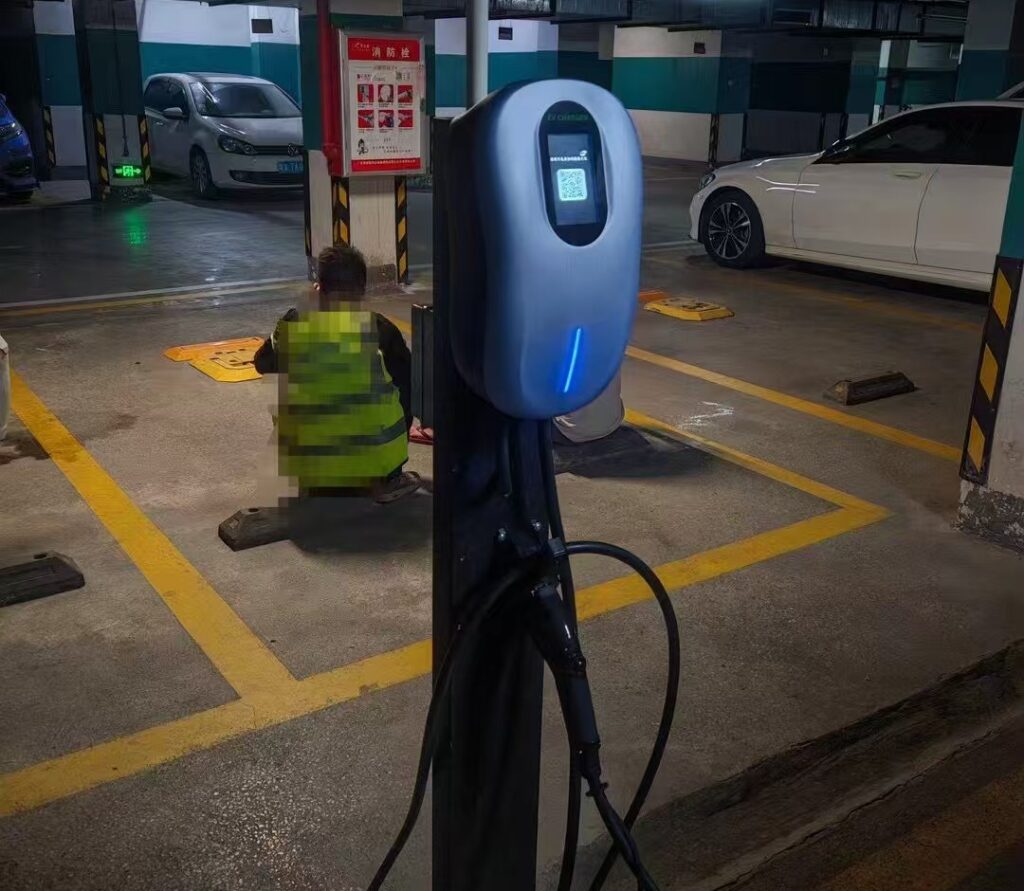
Traditional fuel vehicles depend on gas stations, opening hours, queues, and traffic detours. EV charging removes most of these limitations. With EV home charging, your vehicle becomes fully charged as part of your daily routine.
Installing a wallbox at home or use portable EV charger means you plug in when you park and unplug when you leave. Charging happens automatically overnight, without supervision. Even with moderate charging power (7kW–22kW), an AC wallbox can fully cover daily driving needs.
For apartment buildings, workplaces, and residential parking areas, shared AC charging stations offer the same reliable convenience. Vehicles charge while parked—no wasted time, no extra trips. This reliability is one of the main reasons EV drivers rarely want to return to fuel vehicles.
More Freedom in How and When You Charge
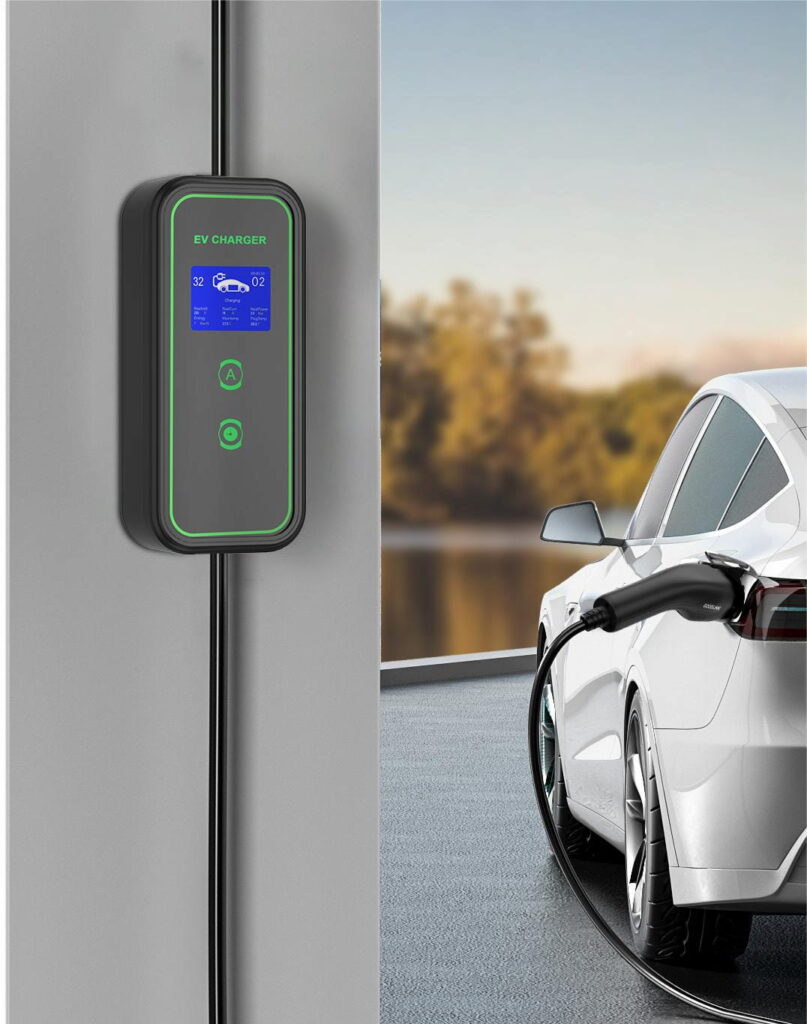
EV charging offers flexibility that fuel vehicles cannot match. You are no longer forced to refuel immediately when the tank is empty. Instead, you can charge partially, frequently, and according to your schedule.
AC chargers are ideal for long parking periods:
Overnight at home
During working hours
In hotels, shopping centers, and residential areas
DC chargers, on the other hand, provide high-power charging for short stops. They are essential for:
Highway service areas
Public fast-charging stations
Commercial fleets and logistics
With access to both AC and DC charging solutions, drivers can adapt charging behavior to real-life needs—slow and economical charging for daily use, fast charging when time is limited.
Lower Energy Costs Compared to Fuel
Cost savings are one of the most concrete benefits of EV charging. Electricity costs per kilometer are significantly lower than gasoline or diesel in most regions.
With EV home charging, drivers can:
Charge during off-peak hours
Use time-based electricity tariffs
Avoid higher public charging fees
An AC wallbox allows stable, controlled charging without demand spikes. Over time, the difference in energy cost becomes very noticeable, especially for daily commuters.
For businesses, EV charging solutions reduce fleet operating expenses. Charging EVs with AC or DC chargers delivers predictable energy costs, lower maintenance expenses, and long-term savings compared to fuel-powered vehicles.
Time Saved with Home and Workplace Charging
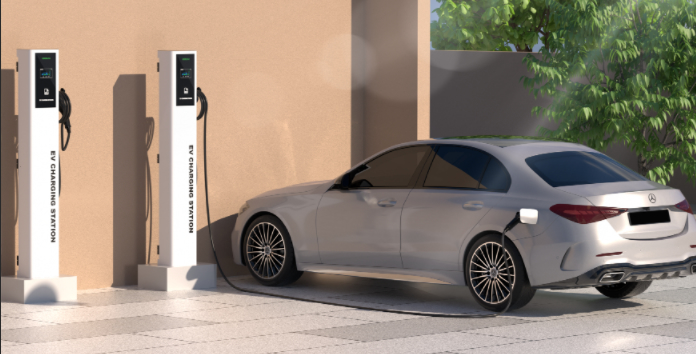
One of the most underestimated benefits of EV charging is time savings. Fuel vehicles require active refueling: driving to a station, waiting, and refueling manually. EV charging, by contrast, happens while you do other things.
With EV home charging, your car charges while you sleep.
With workplace charging, it charges while you work.
No extra time is added to your day.
DC chargers further reduce charging time for trips and commercial use. A high-power DC charger can add significant driving range in a short stop, making long-distance EV travel increasingly practical.
Over weeks and months, these saved minutes add up to real lifestyle improvements.
Reduced Dependence on Public Fuel Stations
EV charging significantly reduces dependence on traditional fuel stations. Once you have a reliable charging setup at home or work, public charging becomes optional rather than essential.
This independence offers:
Less stress during peak travel times
No concern about fuel shortages
Greater control over daily mobility
With the expansion of EV charging infrastructure worldwide, including both AC and DC chargers, drivers enjoy a more decentralized and resilient energy system.
Greater Control Over Your Daily Mobility
Modern EV charging solutions are not just power outlets—they are smart systems. Many AC wallboxes and DC chargers support features such as:
Adjustable charging power
Scheduled charging
Load balancing
Remote monitoring
For homeowners, this means protecting household electrical systems while optimizing charging efficiency. For commercial users, it means managing multiple chargers, tracking usage, and controlling energy distribution.
This level of control allows EV drivers and operators to plan mobility with confidence and precision.
Better Compatibility with Modern Energy Systems
EV charging fits naturally into modern energy ecosystems. AC chargers, especially wallbox units, can be integrated with:
Solar power systems
Energy storage solutions
Smart home management platforms
This integration allows users to charge EVs with self-generated electricity, further reducing costs and environmental impact.
On a larger scale, DC charging stations support urban electrification, fleet transitions, and public transportation systems. Together, these EV charging solutions support smarter energy use and future-ready infrastructure.
Practical Benefits for Businesses and Property Owners
EV charging is not only beneficial for drivers—it also creates value for businesses and property owners.
Installing AC chargers in parking areas:
Increases property attractiveness
Encourages longer customer stays
Supports sustainability goals
DC chargers create revenue opportunities in high-traffic locations and support commercial vehicle operations.
For companies, offering EV charging improves brand image while preparing for future mobility demands.
Choosing the Right EV Charging Solution Matters
To fully benefit from EV charging, choosing the right equipment is essential. Factors to consider include:
Charging power requirements
Installation environment
User type (home, commercial, public)
Future scalability
AC chargers / wallbox are ideal for daily charging and cost efficiency.
DC chargers are best for fast charging and high utilization scenarios.
A professional EV charger manufacturer can help match the right solution to each application.
Conclusion
EV charging brings real, measurable improvements to daily life: convenience, flexibility, cost savings, time efficiency, and control. From EV home charging with an AC wallbox to fast DC chargers supporting modern transportation, EV charging solutions are no longer optional—they are essential.
As electric mobility continues to grow, reliable and well-designed EV charging infrastructure will define how smoothly people and businesses move into the future.


