
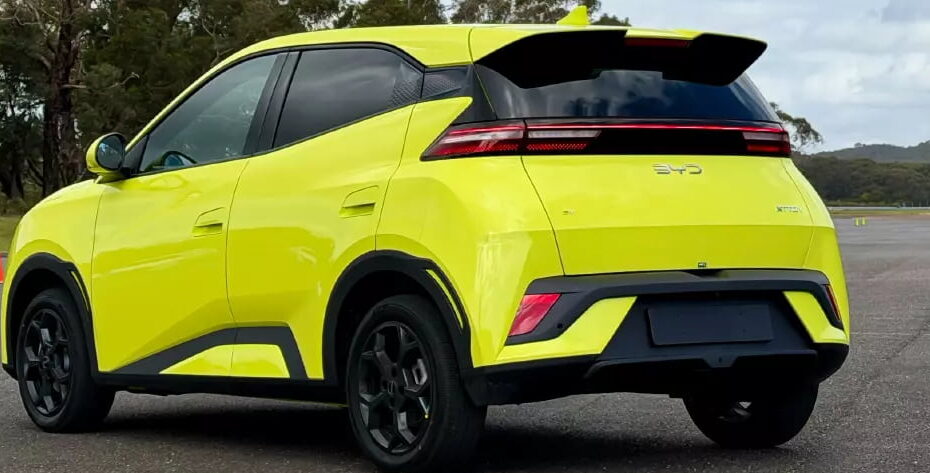
The electric vehicle (EV) industry is entering a defining phase. By 2026, EVs are no longer just an alternative to internal combustion vehicles—they are becoming the standard. Rapid advancements in charging technology, battery innovation, sustainability, and commercial infrastructure are reshaping how EVs are built, charged, and operated.
From ultra-fast DC charging to dynamic wireless charging and greener manufacturing, multiple innovations are working together to accelerate EV adoption worldwide. In this article, we explore the key forces driving the future of EVs in 2026 and what they mean for drivers, businesses, and charging infrastructure providers.
How Ultra-Fast DC Charging Is Redefining EV Convenience
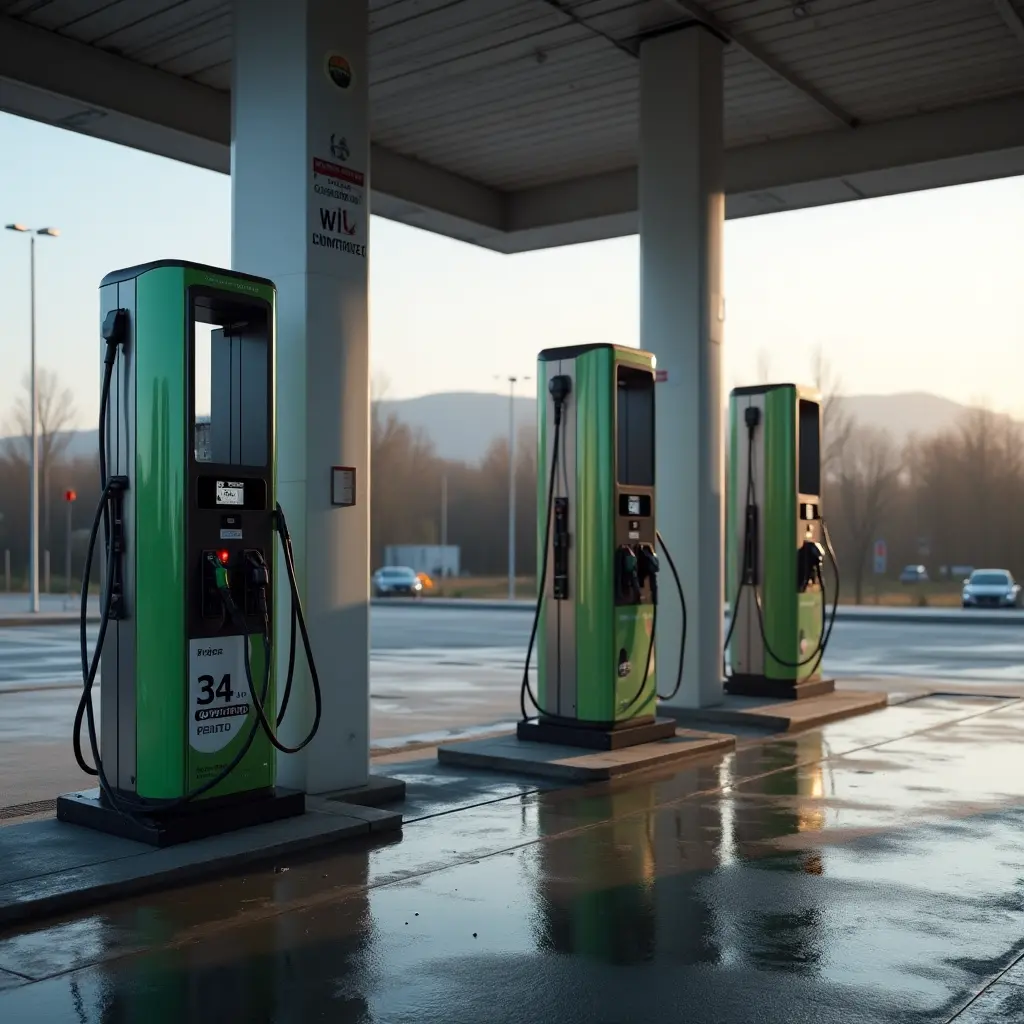
One of the biggest barriers to EV adoption has always been charging time. In 2026, ultra-fast DC charging technology is changing that narrative. Modern DC fast chargers now deliver power levels ranging from 150 kW to 350 kW, enabling compatible EVs to charge from 20% to 80% in as little as 15–20 minutes.
This leap in charging speed dramatically improves convenience, especially for long-distance travel, highway charging stations, and commercial operations. For fleet operators and logistics companies, reduced charging downtime directly translates into higher vehicle utilization and lower operating costs.
Another important development is smarter charging algorithms that protect battery health while delivering high power. By dynamically adjusting voltage and current based on battery temperature and state of charge, ultra-fast DC chargers help maintain a healthy battery over the long term—balancing speed with longevity.
As EV adoption grows, ultra-fast DC charging is becoming the backbone of public and commercial charging networks, supporting the next wave of mass-market electric mobility.
Advances in Battery Technology and Energy Density
Battery technology remains at the heart of EV innovation. By 2026, advances in energy density, chemistry, and battery management systems are enabling longer driving ranges, faster charging, and improved safety.
New battery chemistries—such as solid-state batteries, advanced lithium iron phosphate (LFP), and high-nickel cathodes—are pushing energy density higher while reducing degradation. This means EVs can travel farther on a single charge without increasing battery size or weight.
Equally important is the focus on battery health. Modern EVs use intelligent battery management systems (BMS) to monitor temperature, charging cycles, and cell balance in real time. These systems play a critical role in extending battery lifespan, reducing performance loss, and ensuring safe operation under fast-charging conditions.
Healthier batteries not only benefit private EV owners but are essential for commercial fleets, where predictable performance and long service life directly impact total cost of ownership.
Wireless and Automated EV Charging Solutions
Wireless charging is no longer just a concept—it’s becoming a practical solution in 2026. Static wireless charging pads are already being deployed in parking lots, residential garages, and taxi stands, offering a cable-free charging experience.
More exciting is the progress in dynamic wireless charging, where EVs can charge while driving over electrified road segments. This technology has the potential to significantly reduce range anxiety and allow smaller, lighter batteries to be used in vehicles.
Wireless and automated charging solutions are especially attractive for autonomous vehicles, robotaxis, and commercial fleets. Automated charging systems eliminate the need for human intervention, improving efficiency and safety in high-usage environments.
While wired charging will remain dominant in the near term, wireless and dynamic wireless charging are expected to play a growing role in smart cities and future mobility ecosystems.
Sustainable Materials and Greener EV Manufacturing
Sustainability is no longer limited to zero tailpipe emissions. In 2026, EV manufacturers are placing greater emphasis on the environmental impact of materials, production processes, and supply chains.
Recycled aluminum, low-carbon steel, and bio-based plastics are increasingly used in vehicle bodies and interiors. Battery manufacturers are also working to reduce reliance on scarce raw materials while improving recycling and second-life applications for EV batteries.
Greener manufacturing practices help lower the overall carbon footprint of EVs and align with global environmental regulations. For charging infrastructure providers, sustainability extends to energy-efficient chargers, recyclable enclosures, and integration with renewable energy sources such as solar and wind power.
These efforts reinforce the role of EVs as a truly sustainable transportation solution, from production to end of life.
Commercial and Fleet Charging Trends in 2026
Commercial and fleet charging is one of the fastest-growing segments of the EV market. By 2026, logistics companies, ride-hailing services, public transportation operators, and corporate fleets are rapidly electrifying their vehicles.
This shift is driving demand for scalable, high-reliability charging solutions. Key trends include centralized DC charging hubs, smart load management, and energy storage integration to reduce peak electricity costs.
Fleet operators also prioritize charging systems that protect battery health, as frequent fast charging can impact long-term performance if not properly managed. Intelligent charging software plays a crucial role in balancing charging speed, operational efficiency, and battery longevity.
In addition, governments and municipalities are supporting fleet electrification through incentives, regulations, and infrastructure investments—making commercial EV charging a cornerstone of the EV ecosystem in 2026.
Conclusion
The future of EVs in 2026 is being shaped by a powerful combination of ultra-fast DC charging, advanced battery technology, wireless and dynamic wireless charging, sustainable manufacturing, and robust commercial charging infrastructure.
Together, these innovations are making EVs more convenient, reliable, and cost-effective than ever before—while supporting healthier batteries and a cleaner environment. As technology continues to evolve, EVs are not just redefining transportation; they are driving the future of mobility itself.


