

The electric vehicle revolution is in full swing, and more drivers than ever are making the switch to emission-free driving. However, as the market has grown, so has the complexity of charging infrastructure. If you’ve ever pulled up to a charging station only to realize the plug doesn’t fit your car, you know the frustration.
Enter the unsung hero of the EV world: the EV charging adapter. Whether you are a seasoned EV enthusiast or a new owner, understanding these devices is key to unlocking a stress-free ownership experience. In this guide, we’ll cover everything from the different standards to the specific adapters you might need to keep in your frunk.
What is an EV Charging Adapter?
Simply put, an EV charging adapter is a hardware device that allows an electric vehicle with one type of charging inlet to connect to a charging station with a different type of connector. Think of it like a universal travel plug for your smartphone, but for high-voltage electricity. It acts as a physical and communicative bridge between your car and the charger, ensuring the pins align and the correct data is exchanged to initiate a safe power transfer.
What is AC EV Charging Adapter Standards?
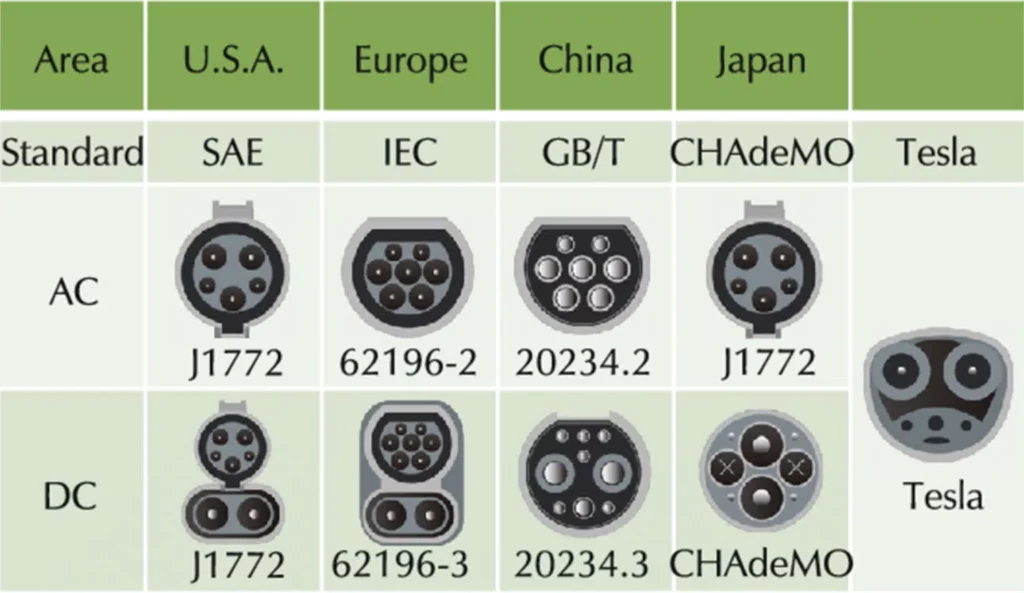
Before diving into which adapters you need, it’s crucial to understand the landscape of charging connectors. While DC Fast Charging has its own variations (like CCS and CHAdeMO), the world of AC charging—which is what most people use at home and at many public destination chargers—is dominated by a few key standards.
Type 1 (SAE J1772)
This is the standard for AC charging in North America and Japan. It features a five-pin design and is used by many legacy automakers and Asian imports for Level 1 and Level 2 charging. Almost all EVs in the U.S. (prior to the widespread adoption of NACS) can plug into a J1772 charger natively.
Type 2 (IEC 62196)
Commonly known as the “Mennekes” connector, this is the standard throughout Europe and much of the world. It features a seven-pin design and supports both single-phase and three-phase power, making it more versatile for higher-speed AC charging.
Tesla (NACS)
The North American Charging Standard (NACS) , formerly known as the Tesla connector, is known for its sleek, compact design. For years, it was proprietary to Tesla vehicles. Now, it is being opened up, and many automakers are adopting it for future models. Tesla provides its own cars with adapters to use J1772 stations, and the reverse is becoming increasingly common.
GB/T
This is the mandatory standard for all electric vehicles and charging equipment in China. While rarely seen outside of China, it is the dominant standard in the world’s largest EV market. It has distinct physical connectors for both AC and DC charging.
Why EV Charging Adapters Are Important (From the User's Aspect)
Why should you, as a driver, care about these adapters? Here are four compelling reasons why they are essential tools for modern EV ownership.
1. Expanded Charging Network Access
The most obvious benefit is access. If you drive a Tesla and pull up to a hotel with a free J1772 “destination charger,” you won’t be able to plug in without an adapter. Conversely, if you drive a non-Tesla EV and pass a Supercharger station that has been opened to other brands, you’ll need an adapter to tap into that network. Adapters effectively double or triple the number of stations available to you.
2. Future-Proofing Your Investment
The industry is currently in a state of flux, with a major shift toward the NACS connector in North America. If you buy a car today with a CCS or J1772 port, you might worry about future compatibility. Having the right adapters ensures that your current vehicle remains compatible with the charging networks of tomorrow, protecting your investment for years to come.
3. Peace of Mind on Road Trips
Range anxiety is often cited as a barrier to EV adoption, but “charger compatibility anxiety” is a real thing for long-distance travelers. Carrying a selection of adapters means you are prepared for almost any situation. You can confidently take detours, stay at different hotels, or use rural charging stations without worrying about whether the plug will fit.
4. Convenience and Versatility
Sometimes, the closest available charger might be at a dealership or a public garage with a different plug type. Having an adapter in your car means you are never locked out. It turns your vehicle into a versatile machine that can refuel from almost any AC source, making daily driving and spontaneous trips far more convenient.
What Kind of EV Charging Adapters Are Normally Needed
Depending on where you live and what you drive, your “charging kit” will vary. Here are the most common adapter combinations you will encounter on the market.
Type 1 to Type 2 Adapter
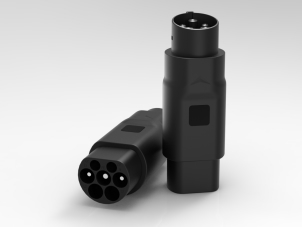
This adapter is primarily used in Europe and regions where Type 1 vehicles (often older Japanese or American imports) need to charge at public Type 2 AC stations. It allows the car to accept power from the standard European charging posts.
Type 1 to Tesla Adapter
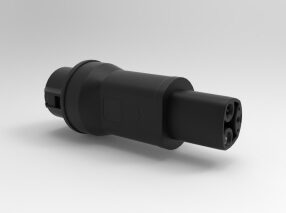
This is a classic adapter that allows a Tesla driver (with a NACS port) to plug into a J1772 (Type 1) public charging station. Tesla has famously included these with their vehicles for years, allowing their drivers to use the vast network of “destination chargers” found at hotels and shopping centers.
Type 2 to Type 1 Adapter
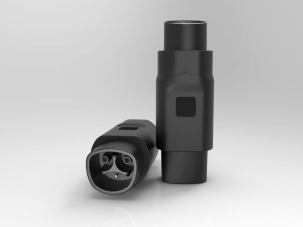
The inverse of the first scenario. This is used when a vehicle with a Type 1 (J1772) port needs to connect to a Type 2 charging cable, which is common at many public charging points in Europe. It’s an essential tool for drivers of North American-spec vehicles traveling abroad.
Type 1 to GB/T Adapter
As China’s EV market grows and travel between regions increases, this adapter becomes necessary. It allows vehicles designed for the Chinese GB/T AC standard to connect to the more globally recognized Type 1 infrastructure, and vice versa.
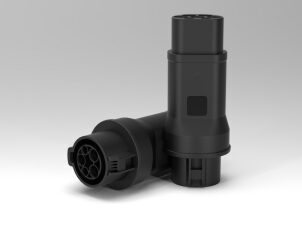
Tesla to Type 1 (J1772) Adapter
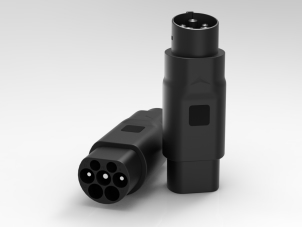
This is becoming the “must-have” adapter for the new generation of EVs. As non-Tesla automakers (like Ford, Rivian, and GM) gain access to the Tesla Supercharger network, they will need an adapter to connect their J1772/CCS ports to the NACS handle. This allows a Ford Mustang Mach-E, for example, to plug into a Tesla charging station.
Conclusion
The transition to electric vehicles is an exciting journey, but it comes with a learning curve. As charging networks continue to evolve and standardize, the humble EV charging adapter remains the key to true freedom and flexibility. By understanding the different AC EV charging adapter standards and investing in the right cables for your specific vehicle, you ensure that you are never left stranded.
Whether you need a Type 1 to Type 2 adapter for a trip abroad or a Tesla to Type 1 adapter to access the latest charging infrastructure, being prepared is the best strategy. So, check your vehicle’s port, research the stations in your area, and consider adding a few of these essential tools to your roadside kit. Happy (and hassle-free) driving.


