

The automotive world is rapidly shifting toward electrification, but with terms like BEV, PHEV, and HEV circulating, it’s easy to feel overwhelmed. If you’re considering an electric vehicle (EV), understanding these acronyms is the first step toward making a choice that aligns with your lifestyle, budget, and driving habits. In this guide, we’ll break down each type, explore their pros and cons, and help you decide which one is your perfect match.
What is BEV?
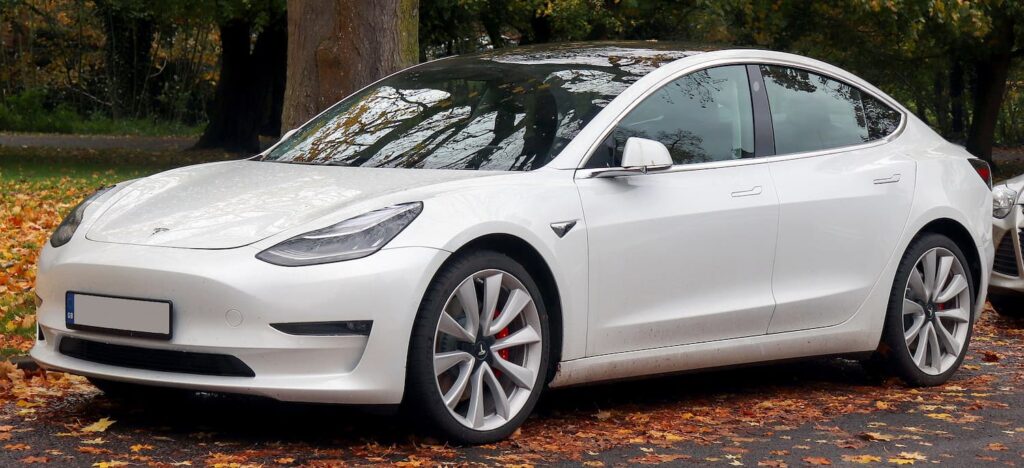
BEV stands for Battery Electric Vehicle. Often referred to as a “pure electric,” a BEV is powered exclusively by electricity stored in a large rechargeable battery pack. It has no internal combustion engine (ICE), no fuel tank, and emits zero tailpipe emissions.
Here is the meaning:
- Battery = B
- Electric Vehicle = EV
- Battery Electric Vehicle = BEV
How it works:
Electricity from the grid is stored in the battery, which powers one or more electric motors to drive the wheels. BEVs are recharged by plugging into an external power source—whether a standard household outlet, a home wallbox, or a public fast charger.
Key Characteristics:
Zero emissions during operation
Quiet, smooth, and instant torque
Lower “fuel” costs per mile compared to gasoline
Requires access to charging infrastructure
Examples: Tesla Model 3, Hyundai Ioniq 5, BMW i4
Considerations:
Range anxiety, though decreasing as technology improves, can still be a factor. Charging times vary from 30 minutes at a fast charger to several hours at home. BEVs generally have lower long-term maintenance costs (no oil changes, fewer moving parts) but may have a higher upfront purchase price.
What is PHEV?
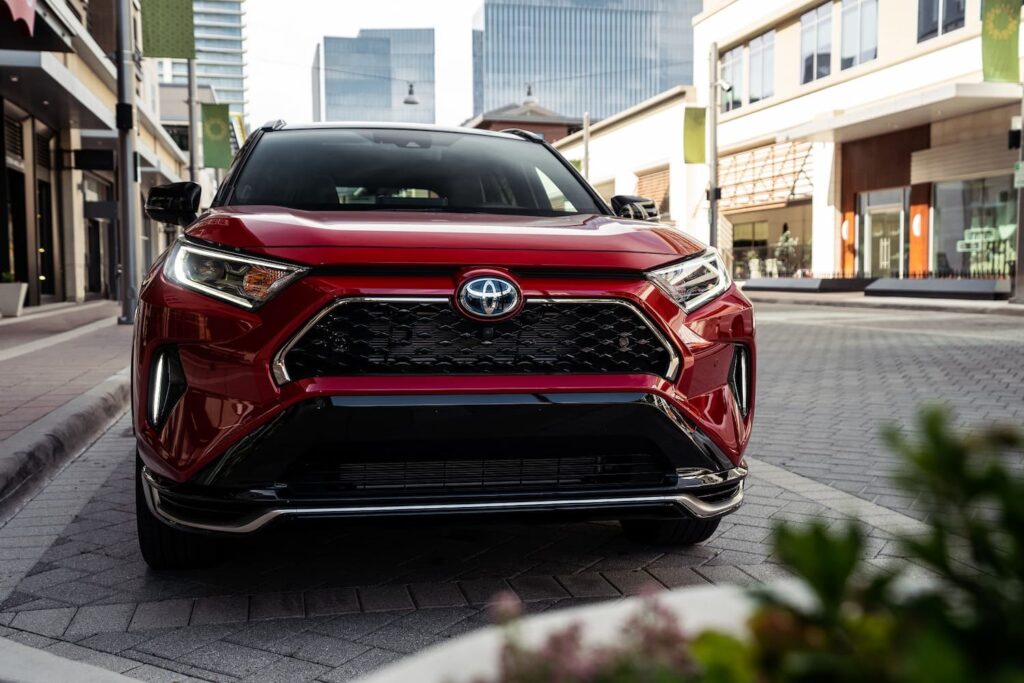
PHEV stands for Plug-in Hybrid Electric Vehicle. A PHEV combines a battery-powered electric motor with a traditional internal combustion engine. Unlike a standard hybrid, a PHEV has a larger battery that can be charged via a plug, allowing for a meaningful all-electric range—typically between 20 to 50 miles—before the gasoline engine engages.
Putting it all together:
- Plug-in = P
- Hybrid = H
- Electric Vehicle = EV
- Plug-in Hybrid Electric Vehicle = PHEV
How it works:
The vehicle defaults to electric mode until the battery is depleted, at which point it operates as a conventional hybrid, using regenerative braking and the engine to recharge the battery minimally and optimize fuel economy.
Key Characteristics:
Can run on electricity alone for short trips
Eliminates range anxiety thanks to the gasoline backup
Reduces fuel consumption and emissions for most daily use
Eligible for many government incentives (depending on region)
Examples: Toyota RAV4 Prime, Ford Escape PHEV, Volvo XC60 Recharge
Considerations:
If not regularly charged, a PHEV essentially becomes a heavier conventional hybrid with poorer fuel economy. They also have two powertrains to maintain, which can mean higher complexity and potential repair costs.
What is HEV?
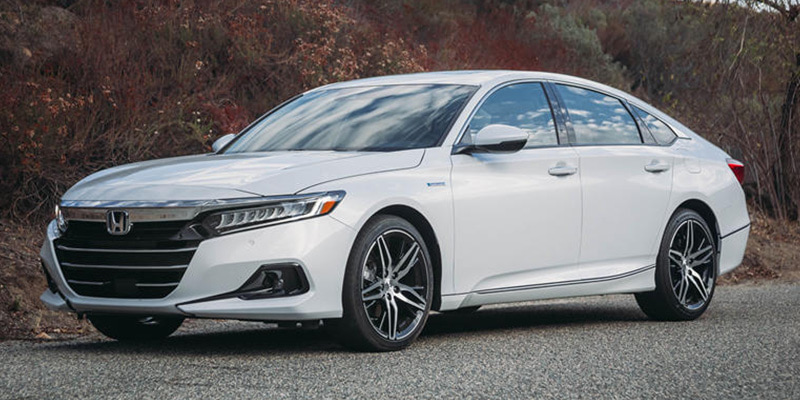
HEV stands for Hybrid Electric Vehicle (sometimes called a “self-charging hybrid” in marketing). An HEV uses both an internal combustion engine and an electric motor, but it cannot be plugged in. The battery is recharged solely through regenerative braking and by the engine.
The explaining is:
- Hybrid = H
- Electric Vehicle = EV
- Hybrid Electric Vehicle = HEV
How it works:
The vehicle intelligently switches between or combines the two power sources to maximize efficiency, often using electric power for low-speed driving, stop-and-go traffic, and acceleration assists.
Key Characteristics:
No need to plug in—operates like a regular car
Better fuel economy than conventional cars, especially in city driving
Lower emissions than ICE-only vehicles
Proven, reliable technology with lower upfront cost than BEVs/PHEVs
Examples: Toyota Prius, Honda Accord Hybrid, Ford Maverick Hybrid
Considerations:
HEVs still rely entirely on gasoline and produce tailpipe emissions. They offer modest efficiency gains rather than a transformative shift to electric driving.
Can you plug a BEV or PHEV into an EV charger?
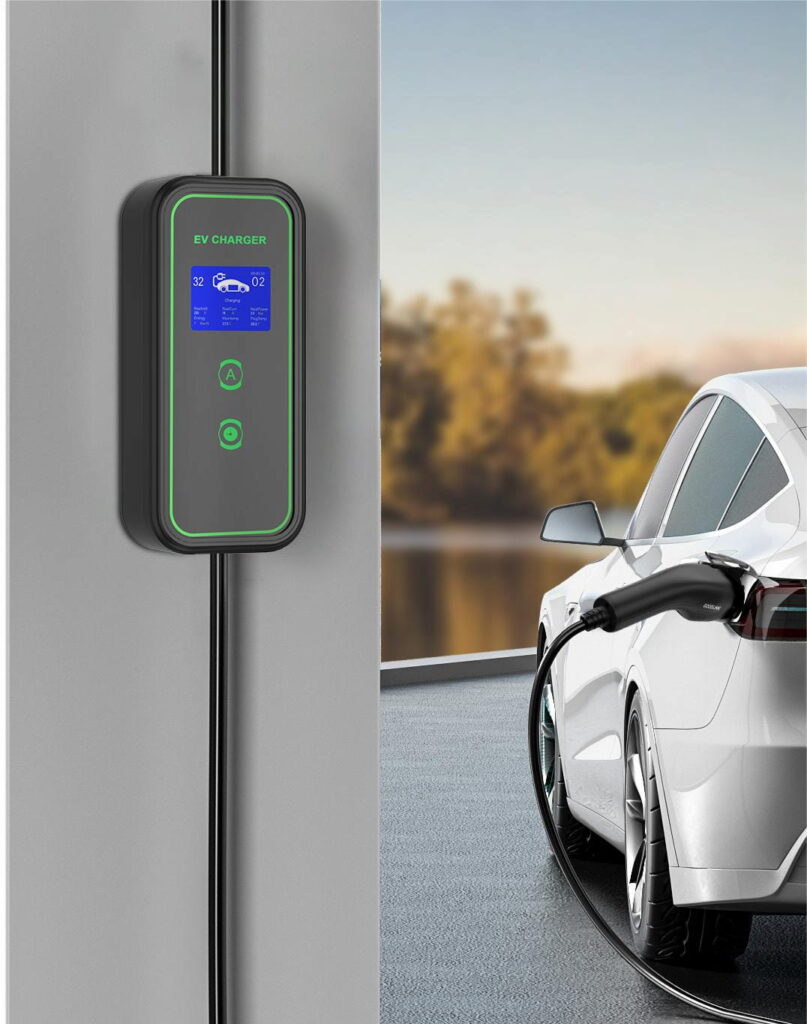
Yes, absolutely—and this is a key advantage.
BEVs require charging from an external source. They can use:
Level 1 Charging (standard 110V household outlet): Slow, adds about 3–5 miles of range per hour. Best for overnight topping up.
Level 2 Charging (110-240V, home or public): Adds about 20–30 miles per hour. Ideal for home installation and most public stations.
DC Fast Charging (public stations): Can charge most BEVs from 10–80% in 20–45 minutes, perfect for road trips.
PHEVs can also be plugged into Level 1 and Level 2 chargers. However, most PHEVs do not support DC fast charging, as their smaller batteries don’t require it and the systems aren’t designed for ultra-high-speed charging. Plugging in a PHEV daily maximizes its electric range and minimizes gas use.
HEVs cannot be plugged in—they recharge only through driving
Which Type of EV Suits You Best?
Choosing between a BEV, PHEV, and HEV depends on several personal factors. Let’s break it down based on common driver profiles.
1. For the Urban Commuter & City Driver
Daily Routine: Short, predictable daily drives (under 40 miles), with access to charging at home or work.
Best Pick: BEV or PHEV.
A BEV is perfect if you have reliable charging. You’ll enjoy low running costs, quiet operation, and zero emissions. Modern BEVs easily cover daily commutes with plenty of range to spare.
A PHEV is a great compromise if you occasionally take longer trips or lack consistent charging. You can do most daily driving on electricity but have the flexibility for weekend getaways.
2. For the Road-Trip Enthusiast or Rural Dweller
Daily Routine: Frequent long-distance travel, limited charging infrastructure in your area.
Best Pick: PHEV or HEV.
A PHEV allows you to use electric mode for around-town errands while offering the peace of mind of a gasoline engine for long hauls.
An HEV is a worry-free choice if you don’t want to think about charging at all but still want improved fuel economy, especially if you face varied driving conditions.
3. For the Cost-Conscious Buyer
Priorities: Lower total cost of ownership, available incentives, budget-friendly fueling.
Best Pick: HEV or BEV (with careful calculation).
HEVs typically have the lowest upfront cost among electrified options and save significantly on fuel without any lifestyle change.
BEVs have higher purchase prices but offer the lowest “fuel” and maintenance costs over time. With federal tax credits (where applicable), lower electricity rates, and reduced servicing, they can be very cost-effective if you drive a lot.
PHEVs can be a middle ground, often qualifying for incentives and cutting fuel costs if charged regularly.
4. For the Environmentally Focused Driver
Goal: Minimize carbon footprint and local air pollution.
Best Pick: BEV, then PHEV.
A BEV is the clear winner if your electricity comes from renewable sources. Even on a grid mix, it generally has a lower lifetime carbon footprint.
A PHEV, when charged daily, can dramatically reduce your gasoline consumption and emissions for most local driving.
5. For the Tech-Savvy Early Adopter
Desires: Cutting-edge technology, performance, and a seamless connected experience.
Best Pick: BEV.
BEVs are at the forefront of automotive innovation, offering features like over-the-air updates, advanced driver-assistance systems, and incredible acceleration. The ownership experience is distinctively modern.
Conclusion

There’s no one-size-fits-all answer in the electric vehicle landscape. Your ideal choice hinges on your daily driving patterns, access to charging, budget, and personal values.
Choose a BEV if you have reliable charging, primarily drive within a few hundred miles, want the lowest operating costs, and are committed to zero-emissions driving.
Choose a PHEV if you want a taste of electric driving but need the flexibility of a gasoline engine for longer trips or inconsistent charging access.
Choose an HEV if you want improved fuel economy without changing your fueling habits, and prefer a proven, straightforward technology with a lower entry price.
The electric revolution offers a path for everyone. By understanding the differences between BEV, PHEV, and HEV, you can confidently select the vehicle that not only moves you forward but also fits seamlessly into your life.


